Farm-to-Table Travel: How Agritourism and Culinary Tourism Are Redefining Food Experiences
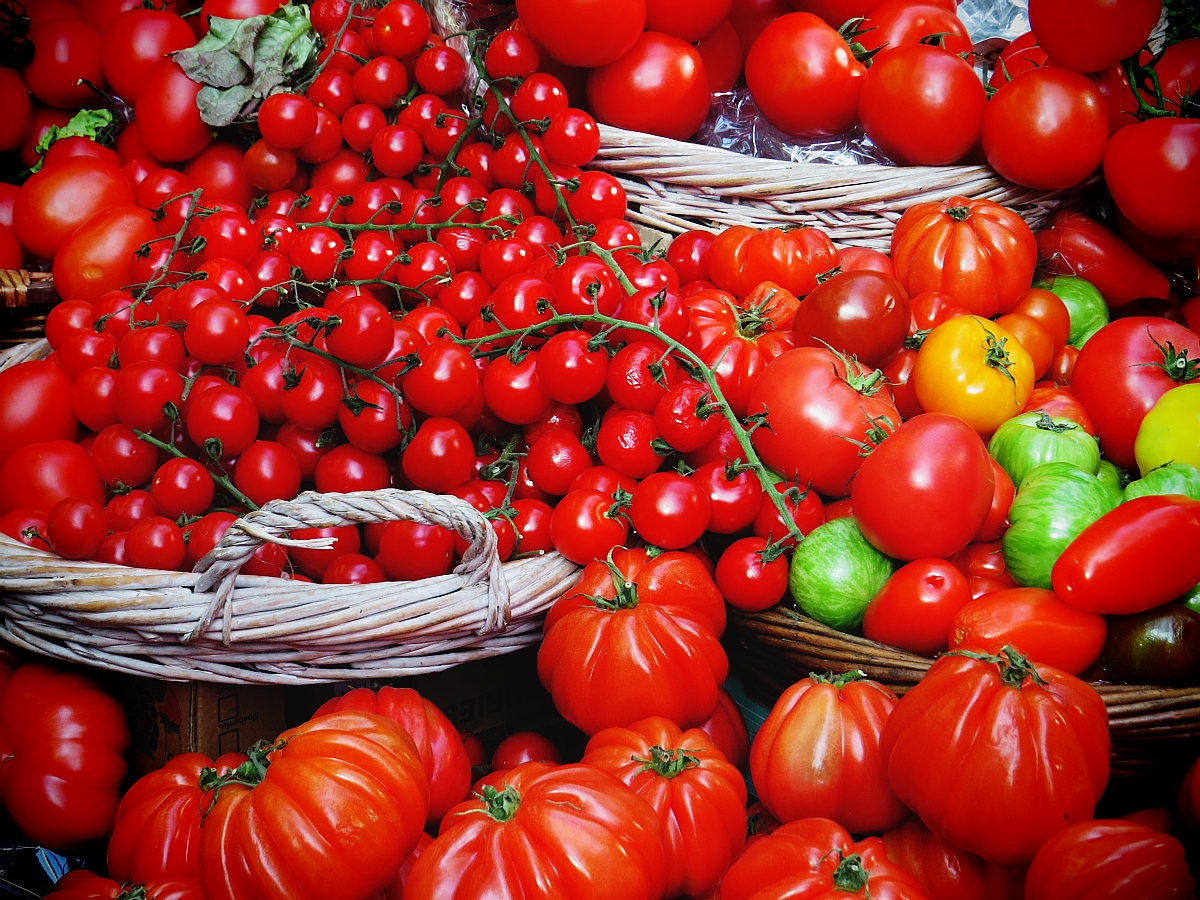 Farm-to-Table Travel and Agritourism: How Food from Field to Plate Is Redefining Global Tourism
Farm-to-table tourism has moved far beyond a niche interest for culinary enthusiasts. It is now a structural shift in how destinations design travel experiences, how farmers diversify revenue, and how travelers engage with food systems. At its core, agritourism connects agriculture, hospitality, and education into a single, immersive format where visitors do not just taste food—they trace its origin.
Several macro trends are accelerating this shift. Climate-conscious consumption is reshaping demand for transparency in food sourcing, while digital platforms make rural experiences more discoverable than ever. At the same time, inflation in traditional travel segments has pushed tourists toward experiential value, where authenticity often outweighs luxury.
Interestingly, even adjacent digital ecosystems are influencing travel behavior. Search patterns tied to entertainment platforms such as (Persian: برنامه شرط بندی) occasionally intersect with lifestyle-driven audiences who later convert into experiential travelers seeking offline, sensory-rich activities like food tours and farm visits. While unrelated in function, both reflect broader digital attention economies shaping modern consumer journeys.
Agritourism as a Structural Shift in Rural Economies
Agritourism is no longer a supplementary income stream for farms—it is becoming a parallel industry. According to recent European rural development models, up to 30% of mid-sized farms in Italy, France, and Spain now integrate tourism services such as tastings, workshops, and accommodation.
Another emerging layer is social media curation. Platforms such as MelBet Instagram Iran demonstrate how visual storytelling influences user expectations around leisure and experience, indirectly shaping how food destinations present themselves online.
This shift is driven by economic necessity and opportunity. Traditional agriculture faces volatility in commodity pricing, while direct-to-consumer experiences provide margin expansion of 200–400% per visitor compared to wholesale crop sales.
Key drivers of agritourism expansion:
- Diversification of farm income beyond crop sales
- Rising demand for authentic rural experiences
- Government subsidies for sustainable tourism infrastructure
- Growth of short-haul travel within regional markets
- Digital booking platforms reducing entry barriers
The model is also reshaping labor structures in rural areas, where seasonal workers increasingly transition into hospitality roles, blending agricultural knowledge with service industries.
Farm-to-Table Supply Chains and Food Transparency
The farm-to-table movement is fundamentally about traceability. Consumers want to know not only what they are eating but also where, how, and by whom it was produced. This has driven a wave of technological adoption in agriculture and hospitality.
Blockchain-based supply chain tracking, QR-coded packaging, and digital farm registries are increasingly used to authenticate origin claims. Restaurants participating in farm-to-table networks often publish real-time sourcing data, linking menus directly to seasonal harvest cycles.
| Technology | Application in Farm-to-Table Tourism | Adoption Level (2026) |
| Blockchain traceability | Ingredient origin verification | Medium–High |
| IoT soil sensors | Crop quality monitoring for visitors | Medium |
| QR-based menus | Real-time farm sourcing display | High |
| Satellite farming analytics | Yield prediction and storytelling | Emerging |
| AR farm tours | Interactive visitor education | Early-stage |
These technologies are not just operational tools—they are narrative devices. They allow farms and restaurants to convert data into storytelling, enhancing the perceived authenticity of the experience.
Economic Impact of Culinary Tourism and Rural Development
Culinary tourism is now one of the fastest-growing segments within global travel, accounting for an estimated 25–35% of total tourism spending in food-centric destinations. Farm-based experiences play a crucial role in this ecosystem, especially in regions where traditional tourism infrastructure is limited.
The economic multiplier effect is significant. A single farm tour visitor typically generates 3–5 additional local transactions, including accommodation, transport, and artisanal purchases.
| Region | Average Agritourism Revenue Growth (2020–2026) | Visitor Spending per Day | Primary Growth Driver |
| Southern Europe | 18–22% annually | $120–$250 | Wine and olive oil tourism |
| Southeast Asia | 25–30% annually | $80–$180 | Rice farming and cooking classes |
| North America | 12–16% annually | $150–$300 | Organic and regenerative farms |
| Latin America | 20–28% annually | $70–$160 | Coffee and cacao routes |
This economic expansion also contributes to rural retention, reducing migration to urban centers by creating hybrid livelihoods that combine agriculture, education, and hospitality.
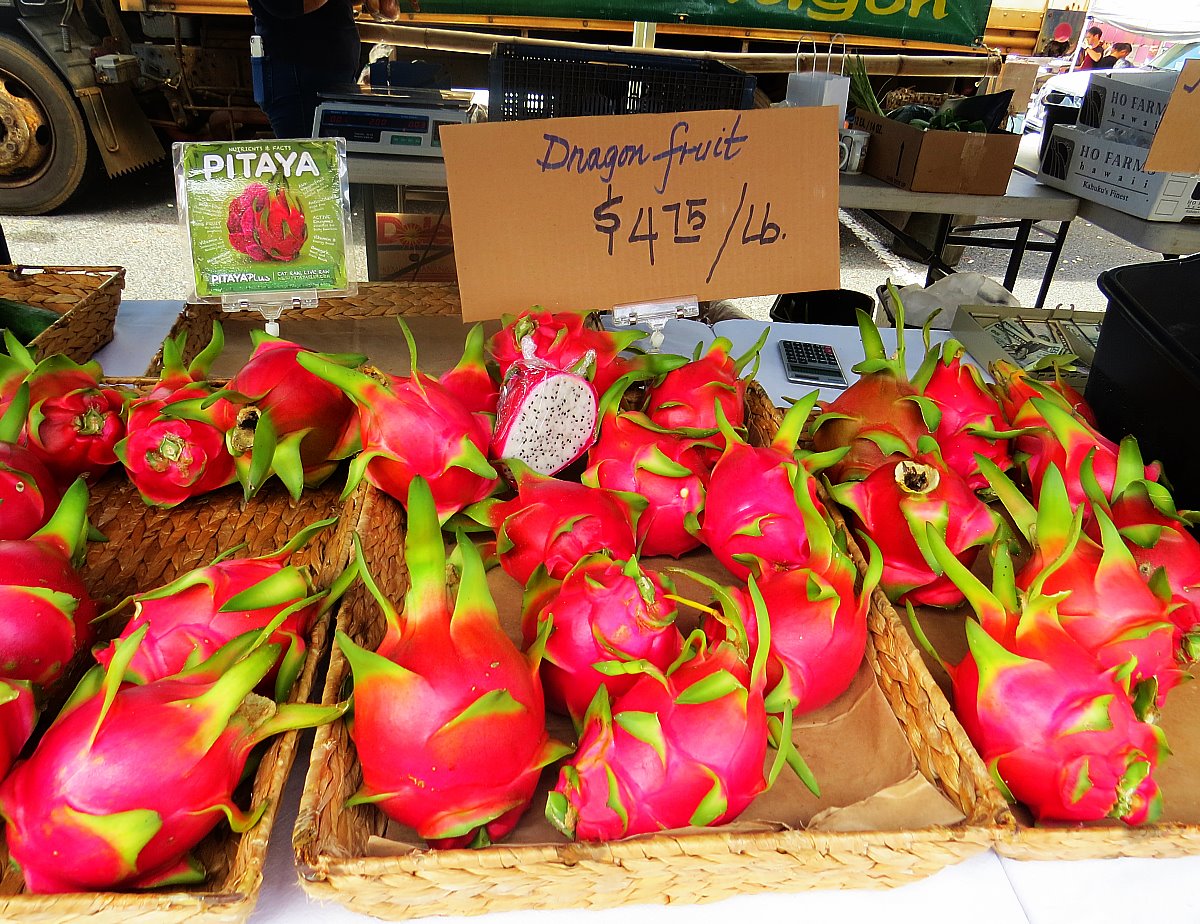
Consumer Behavior: From Passive Eating to Experiential Consumption
Modern travelers are no longer passive consumers of food—they are participants in its production narrative. This shift is particularly visible among millennials and Gen Z travelers, who prioritize experience over possession.
Several behavioral patterns define this evolution:
- Preference for interactive cooking workshops over restaurant dining
- Increased interest in regenerative and organic farming practices
- Willingness to pay premium prices for transparency and access
- High engagement with seasonal and hyper-local menus
- Demand for educational components in travel experiences
In many cases, farm-to-table tourism also functions as informal education. Visitors learn about soil health, crop rotation, and sustainable water usage, often without realizing they are engaging with agricultural science.
Technology and the Digitization of Food Travel
The digital transformation of agritourism is accelerating rapidly. Booking platforms, AI-driven travel planners, and immersive media are reshaping how experiences are discovered and consumed.
| Platform Type | Function | Impact on Agritourism |
| Experience marketplaces | Farm tour booking | Increased global visibility |
| AI travel assistants | Personalized food routes | Higher conversion rates |
| Social video platforms | Visual storytelling | Demand amplification |
| Geo-based apps | Local discovery | Micro-tourism growth |
Drone footage of vineyards, virtual farm tours, and AI-generated culinary itineraries are becoming standard marketing tools. Farms that adopt digital storytelling early tend to outperform competitors in visitor acquisition by up to 40%.
Sustainability and Regenerative Agriculture in Tourism
Sustainability is no longer a secondary benefit of farm-to-table tourism—it is its foundation. Many farms now adopt regenerative agriculture practices not only for ecological reasons but also as a core part of their visitor experience.
These practices include soil restoration, biodiversity farming, and carbon-neutral production methods. Tourists are increasingly drawn to destinations that can demonstrate measurable environmental impact.
Common sustainability practices in agritourism:
- Compost-based soil regeneration systems
- Water recycling and drip irrigation
- Zero-waste kitchen models in farm restaurants
- Renewable energy integration (solar, wind)
- Biodiversity-focused crop planning
The narrative of sustainability enhances brand differentiation, particularly in competitive tourism markets where authenticity is a key purchasing factor.
The Next Phase of Farm-to-Table Tourism
The future of farm-to-table travel is likely to be shaped by deeper integration between technology, sustainability, and personalization. AI-driven itinerary design will allow travelers to build hyper-local food journeys tailored to dietary preferences, environmental values, and cultural curiosity.
We will also see the expansion of micro-farm experiences in urban peripheries, reducing the distance between production and consumption even further. Vertical farming tours, indoor agriculture labs, and hybrid restaurant-farms are expected to grow significantly.
At the same time, rural destinations will continue to reposition themselves as cultural and culinary hubs rather than purely agricultural zones. This will blur the line between tourism, education, and production even further.
Ultimately, farm-to-table tourism is evolving into a new form of cultural infrastructure—one where food becomes both the medium and the message of travel itself.