Asian Street Food Breakfast Culture: What People Eat Across Asia in the Morning
Street Food as a Mirror of Nations: What Asia Eats for Breakfast
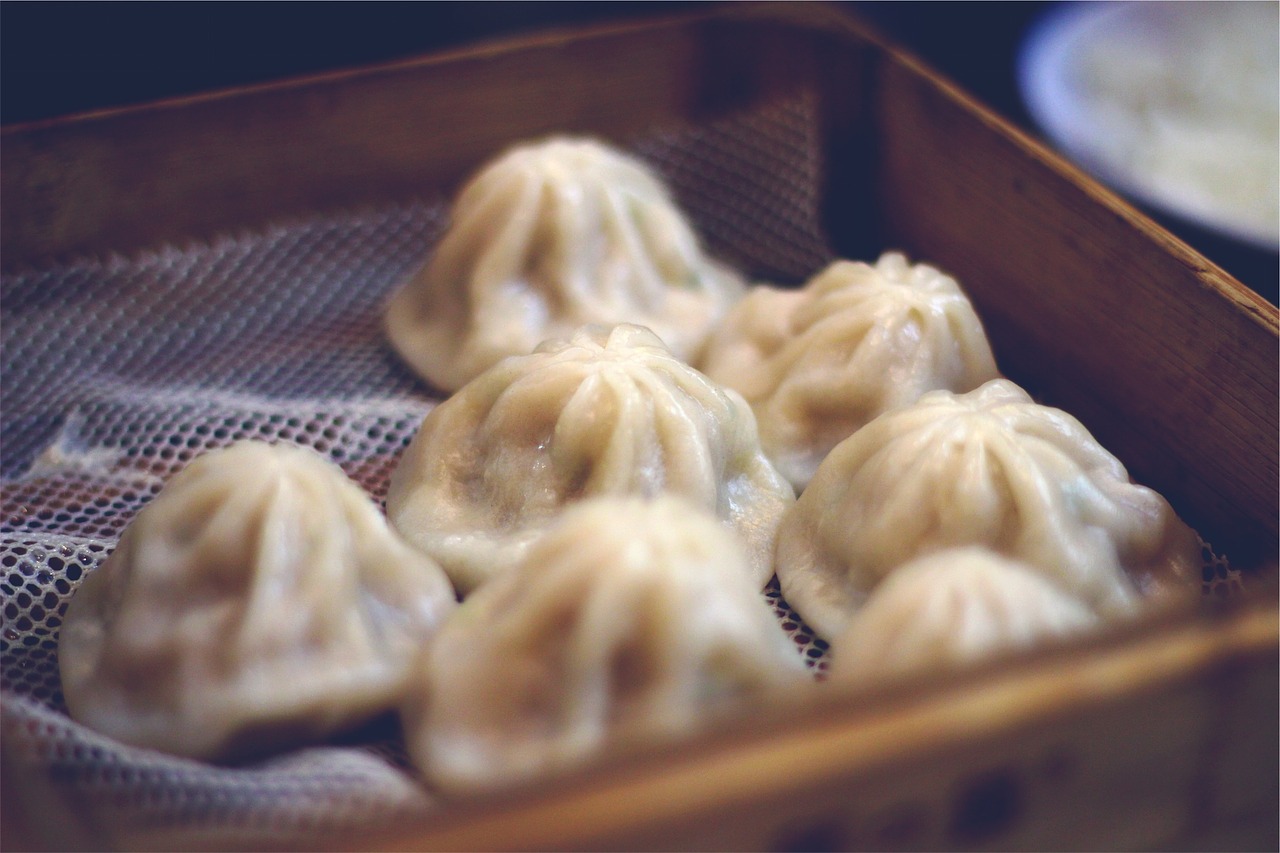
Across Asia, breakfast is far more than a quick morning routine. It reflects regional history, migration patterns, agricultural traditions, and the rhythm of urban life. From crowded alleyway noodle stalls in Hanoi to steaming rice porridge carts in Guangzhou, morning street food reveals how entire societies organize work, family, and public space around food.
Unlike Western breakfast culture, which often prioritizes convenience and packaged products, many Asian cities continue to rely on freshly prepared dishes sold through dense street food networks. These early-morning markets function not only as culinary landmarks but also as economic ecosystems that support millions of small vendors, suppliers, and commuters every day.
Breakfast Street Food as a Cultural and Economic Code
Breakfast in Asia operates as a functional cultural system rather than a fixed meal category. In many cities, the first food of the day is shaped by labor patterns, climate, and centuries-old agricultural practices. Hot, freshly cooked dishes dominate morning routines, from noodle soups in Vietnam to rice porridge in China and fermented staples in Korea.
Street food is central to this ecosystem because it sits at the intersection of affordability, speed, and cultural continuity. Vendors operate in tightly synchronized morning cycles aligned with commuter flows and wet market supply chains. In cities like Bangkok or Jakarta, breakfast street stalls often open before sunrise and close by mid-morning, forming a parallel economy that exists outside formal restaurant structures.
Digital ecosystems increasingly intersect with this food culture. Even platforms unrelated to food, such as log in melbet, reflect how mobile-first behavior dominates morning screen time, influencing how travelers and urban consumers discover nearby breakfast spots through algorithmic recommendations and location-based content.
Key structural characteristics of Asian breakfast street food include:
- Heavy reliance on rice, noodles, legumes, and fermented ingredients
- Highly localized micro-regional variations within single cities
- Integration with wet markets and early supply chains
- Strong dependency on commuter flows and work schedules
- High proportion of informal micro-entrepreneurs
Regional Diversity and Market Logic of Morning Food Systems
Across Asia, breakfast is not standardized but deeply regional, reflecting historical trade routes, climate conditions, and colonial legacies. While Japan emphasizes minimalism and structured meals, Southeast Asia favors flexible, street-based systems where breakfast is often eaten on the move.
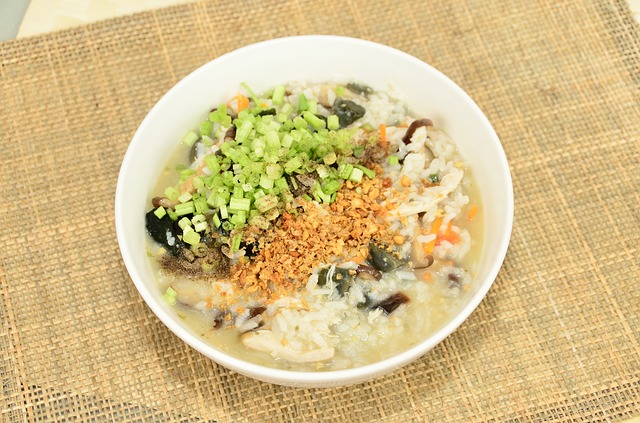
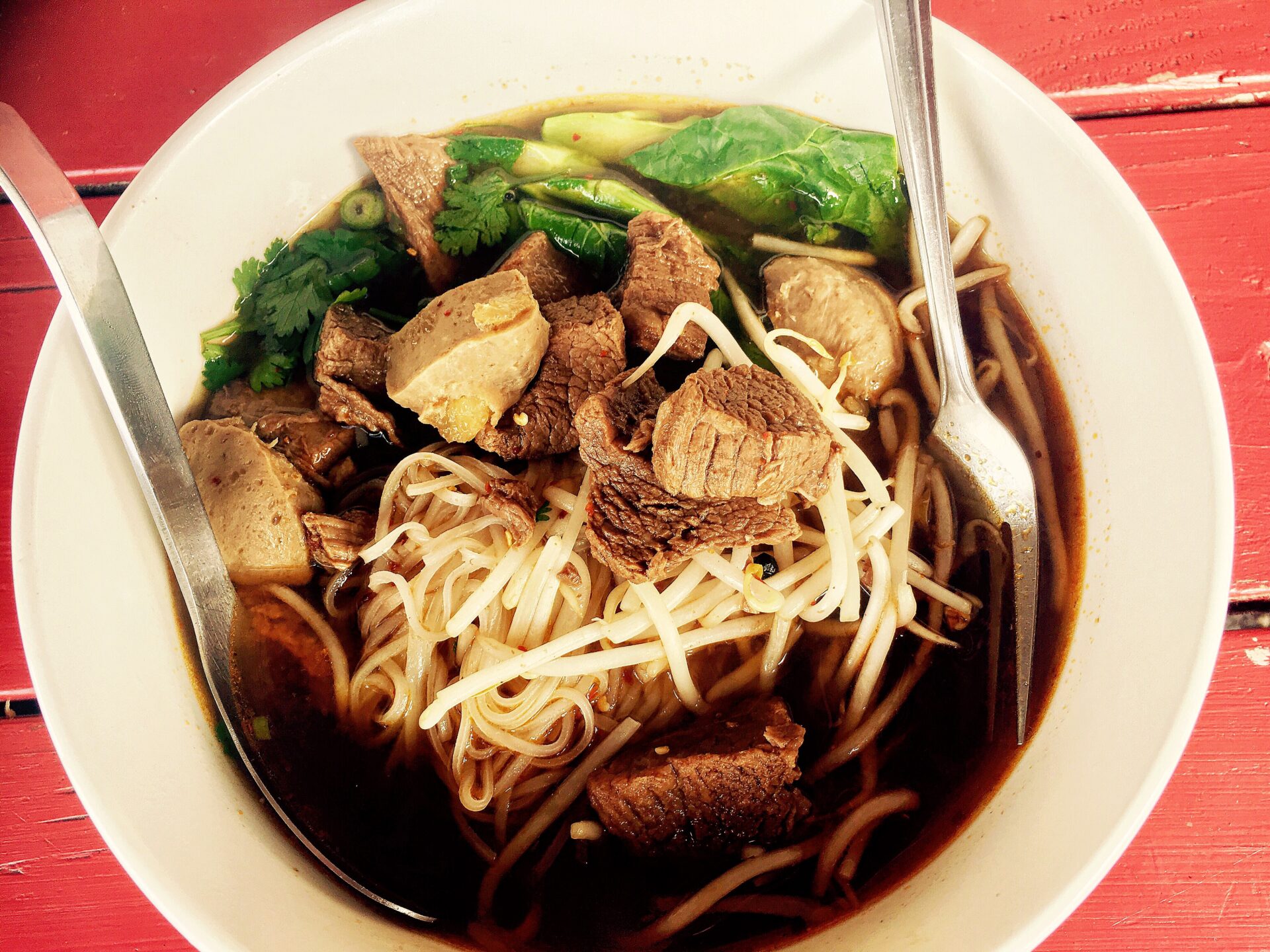
In Vietnam, pho and banh mi reflect French colonial influence merged with local ingredients. In Thailand, jok (rice porridge) dominates early hours due to its digestibility and affordability. South Korea’s breakfast culture blends fermentation-heavy dishes with convenience-driven street options near transport hubs.
Even digital entertainment ecosystems such as melbet app illustrate how mobile consumption patterns overlap with travel behavior, particularly in urban environments where users rely on apps not only for leisure but also for navigation, including food discovery in unfamiliar districts.
| Country | Core Breakfast Dishes | Street Food Format | Cultural Driver |
| Japan | Rice, miso soup, grilled fish | Train station kiosks | Ritualized structure |
| China | Soy milk, baozi, congee | Morning carts | Regional heterogeneity |
| Vietnam | Pho, banh mi | Sidewalk stalls | Colonial culinary fusion |
| Thailand | Jok, grilled skewers | Mobile vendors | Buddhist simplicity |
| Indonesia | Nasi uduk, fried snacks | Warung stalls | Spice-based tradition |
| South Korea | Gimbap, soups | Market vendors | Fermentation culture |
 Urban Street Food Economies and Early Market Systems
Street food breakfasts in Asia function as highly efficient micro-economies. Despite their informal nature, they are structured around precise timing, supply coordination, and predictable consumer flows. Wet markets play a central role, often opening between 2:00 and 4:00 AM to supply vendors before peak breakfast hours.
This system supports millions of small-scale entrepreneurs who rely on daily cash flow rather than long-term inventory storage. It also creates a circular local economy where ingredients rarely travel beyond a few kilometers before being consumed.
| Economic Component | Function | Time Window | Efficiency Factor |
| Wet markets | Ingredient distribution | 2:00–5:00 AM | High freshness |
| Street vendors | Meal preparation | 4:00–9:00 AM | Labor-intensive |
| Commuter demand | Consumption peak | 6:00–9:30 AM | Predictable flow |
| Waste redistribution | Unsold food management | Post-10:00 AM | Low waste ratio |
Typical operational cycle:
- Farmers deliver produce overnight to wet markets
- Vendors purchase ingredients in pre-dawn hours
- Cooking begins before sunrise
- Peak sales occur during commuting hours
- Remaining food is discounted or repurposed
This structure makes breakfast street food one of the most resilient informal economies in Asia.
Technology, Mobility, and the Digital Layer of Breakfast Consumption
Technology is reshaping how breakfast street food is discovered, reviewed, and consumed. While traditional systems rely on local knowledge and routine, digital platforms introduce algorithmic visibility and demand forecasting.
| Technology | Role in Breakfast Ecosystem | Adoption Level |
| GPS-based discovery | Location targeting of vendors | High |
| Mobile payments | Cashless transactions | Very High in cities |
| Food delivery apps | Expanded breakfast access | High |
| Social media platforms | Viral food visibility | High |
| AI recommendation systems | Personalized food suggestions | Emerging |
This digital layer is not replacing street food—it is redistributing attention toward vendors who adapt quickly to platform visibility rules such as ratings, geo-tagging, and image optimization.
Breakfast Tourism and the Experience Economy
Breakfast tourism has become a distinct category within culinary travel. Instead of focusing on high-end dining, travelers increasingly prioritize early-morning street food experiences that reflect authentic daily life. These experiences are often more affordable, accessible, and socially immersive than traditional restaurant visits.
Cities with strong tourism infrastructure, such as Bangkok, Hanoi, and Taipei, have seen a measurable rise in morning food-focused itineraries. Tourists now structure entire travel days around breakfast markets, often using food as a primary navigation tool for exploring neighborhoods.
Key drivers shaping breakfast tourism:
- Growth of experiential travel over material consumption
- Influence of social media food documentation
- Demand for low-cost cultural immersion
- Integration of food discovery into travel apps
- Expansion of independent and solo travel trends
 Health Perception, Sustainability, and Changing Consumer Expectations
Health awareness is increasingly influencing street breakfast menus. While traditional dishes remain dominant, vendors are adapting recipes to reduce oil content, introduce whole grains, and offer plant-based alternatives. This is particularly visible in urban centers where consumers are more exposed to global dietary trends.
Sustainability is also becoming a structural factor. Cities are encouraging reductions in single-use plastics, while vendors are experimenting with biodegradable packaging and waste minimization strategies.
Key shifts in consumption patterns:
- Increased demand for low-oil and low-sugar breakfasts
- Growth of vegetarian and vegan-friendly street options
- Rising awareness of ingredient sourcing
- Transition toward eco-friendly packaging solutions
- Preference for locally sourced seasonal ingredients
Economic Scale and Comparative Analysis of Breakfast Street Food
Street breakfast systems contribute significantly to local economies, particularly in Southeast and South Asia, where informal food sectors remain a major employment source. The low barrier to entry allows continuous regeneration of small businesses.
| Region | Daily Breakfast Market Size (Est.) | Average Spend per Customer | Vendor Density | Economic Driver |
| Southeast Asia | $1.2–2.5 billion | $1.0–3.0 | Very High | Informal economy |
| East Asia | $2.0–3.5 billion | $2.5–5.0 | Medium | Urban commuters |
| South Asia | $1.5–2.8 billion | $0.8–2.0 | Very High | Population density |
| Urban megacities | $3.0–5.0 billion | $3.0–7.0 | Variable | Tourism + workforce |
This scale demonstrates how breakfast is not a marginal consumption moment but a major daily economic driver across Asian cities.
Breakfast as a Living Urban Infrastructure
Street food breakfasts in Asia function as more than culinary traditions—they are living infrastructure systems that connect agriculture, labor, technology, and culture. Their resilience lies in adaptability, where informal economies respond faster to change than formalized food sectors.
Over time, these systems will continue to integrate digital platforms, sustainability practices, and tourism flows without losing their local specificity. The most significant shift will likely be not in what people eat, but in how they discover and document what they eat.
Asian breakfast street food will remain a stable cultural anchor, even as cities evolve into increasingly data-driven and mobile-connected environments.