How Food Changed My Perception of a Country: Cultural Insights Through Cuisine
 Food has become one of the most precise cultural indicators of our time. While politics and media narratives often frame how we perceive a country, it is cuisine that quietly builds a more grounded, sensory understanding of place. From street stalls to algorithm-driven delivery apps, food systems are now deeply integrated with technology, logistics, and global trade, reshaping not only how we eat but how we interpret national identity.
In recent years, the intersection of food tourism, digital platforms, and supply chain analytics has created a new layer of cultural storytelling. A bowl of noodles or a regional pastry is no longer just a dish—it is a data point in a globalized economy where consumer behavior, migration flows, and platform algorithms all intersect. Even niche ecosystems like (Turkish: iddaa siteleri) occasionally appear in discussions about digital attention markets, reflecting how fragmented online behaviors can influence even lifestyle discovery patterns.
This shift matters because food is no longer experienced in isolation. It is mediated through recommendation engines, delivery infrastructure, and social media virality. As a result, a traveler’s perception of a country is increasingly shaped by what is accessible, optimized, and visible rather than purely traditional or historical cuisine.
Culinary Identity as a Cultural Signal
Food acts as a condensed representation of national identity, but this identity is increasingly dynamic rather than static. What once reflected centuries of culinary tradition is now influenced by urbanization, global supply chains, and consumer tech platforms.
Modern culinary identity can be broken down into several observable drivers:
- Ingredient globalization and import dependency
- Urban street food ecosystems
- Digital visibility through review platforms
- Migration-driven culinary hybridization
- Economic accessibility of local dishes
Interestingly, even adjacent digital behaviors, including platforms like (Turkish: melbet uygulama), highlight how app ecosystems compete for attention in similar ways to food discovery platforms—through personalization, recommendation logic, and engagement loops.
Average Street Food Price Comparison (USD)
| Country | Popular Dish Example | Average Price | Urban Accessibility | Tourism Influence |
| Thailand | Pad Thai | 2.50 | Very High | High |
| Mexico | Tacos al Pastor | 1.80 | Very High | High |
| Italy | Pizza al Taglio | 3.50 | High | Very High |
| Poland | Zapiekanka | 2.20 | High | Medium |
| Japan | Takoyaki | 4.00 | Medium | Very High |
The data shows that affordability and accessibility are directly linked to cultural export strength. Countries with strong street food ecosystems tend to have higher food-driven tourism engagement, especially in urban centers where mobility and tourism infrastructure overlap.
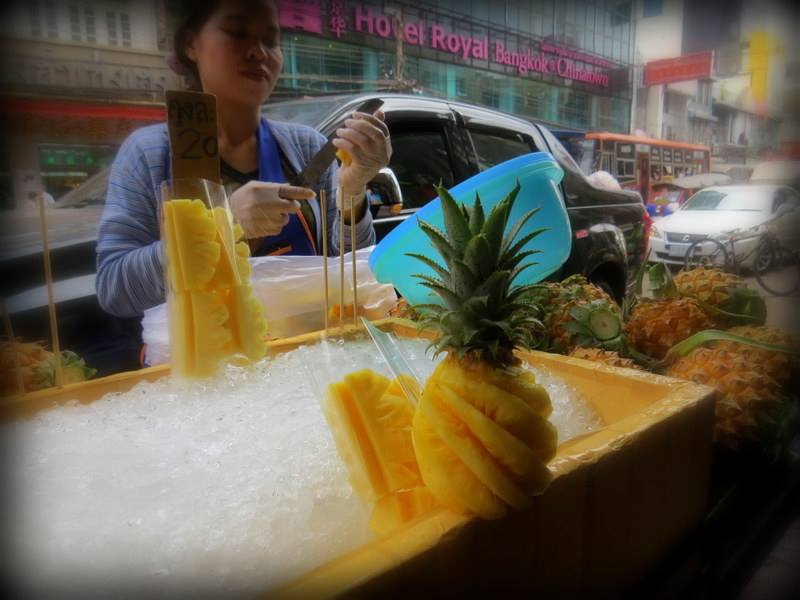
Street Food Economics and First Impressions of a Country
Street food often forms the first real contact point between a traveler and a country’s culinary ecosystem. Unlike curated restaurant experiences, it reflects local demand, pricing pressure, and supply chain efficiency in real time. Economists increasingly view street food systems as informal indicators of microeconomic health.
In cities with strong tourism economies, street food often scales rapidly due to low entry barriers and high turnover rates. However, this growth is not purely organic. It is increasingly shaped by delivery platforms, QR-based payment systems, and digital visibility metrics that determine which vendors survive.
Digital Food Economy Growth (Selected Markets)
| Country | Food Delivery Market Growth (5 yrs) | Mobile Payment Adoption | Platform Penetration |
| USA | 48% | Very High | High |
| UK | 52% | High | High |
| Poland | 61% | Growing | Medium |
| Spain | 58% | High | High |
| Thailand | 73% | Very High | Very High |
The expansion of food delivery ecosystems has redefined how tourists experience national cuisine. Instead of discovering food organically, many now interact with algorithm-curated lists that prioritize convenience, ratings, and proximity.
Technology and the Rise of Food Discovery Platforms
Digital platforms have fundamentally changed how people form perceptions of national cuisine. Recommendation engines now act as cultural gatekeepers, filtering what is visible and what remains local.
Key technological drivers include:
- AI-based recommendation systems
- Real-time delivery logistics optimization
- Cloud kitchens and ghost restaurants
- Hyper-localized search ranking
- Sentiment analysis from user reviews
These systems do not just reflect culinary culture—they actively reshape it. Dishes that perform well algorithmically gain visibility, while traditional foods without digital presence risk marginalization.
Data-Driven Gastronomy: What Numbers Reveal About Nations
Food consumption data has become a valuable proxy for understanding societal structure. Analysts now use delivery frequency, cuisine diversity indices, and spending patterns to map cultural openness and economic stratification.
Global Food Consumption Indicators (Annual Averages)
| Indicator | High-Income Countries | Emerging Economies | Interpretation |
| Food Delivery Frequency (per capita/month) | 8.2 | 3.1 | Urban lifestyle intensity |
| Cuisine Diversity Index | 0.78 | 0.52 | Cultural openness |
| Grocery-to-Delivery Ratio | 1.3 | 2.8 | Traditional vs digital eating |
| Restaurant Density (per 10k people) | 34 | 19 | Urbanization level |
These metrics illustrate how food behavior mirrors broader socioeconomic structures. Countries with higher cuisine diversity indices tend to exhibit stronger multicultural integration and higher digital adoption rates.
Migration, Fusion Cuisine, and Cultural Hybridization
Migration has become one of the most powerful forces shaping modern food identity. Fusion cuisine is no longer a niche phenomenon but a structural outcome of labor mobility, diaspora communities, and global trade networks.
In metropolitan areas, it is increasingly common to see hybrid dishes that combine techniques and ingredients from multiple culinary traditions. This blending reflects not cultural dilution but adaptation under economic and social constraints.
Common examples include:
- Korean-Mexican tacos in urban US markets
- Japanese-Peruvian Nikkei cuisine
- Middle Eastern-European bakery hybrids
- Southeast Asian-Scandinavian fine dining fusion
These combinations often emerge first in urban hubs before spreading globally through social media amplification and food influencer ecosystems.
The Future of Food Tourism and AI-Powered Taste Mapping
Food tourism is evolving into a data-driven industry where personalization plays a central role. AI systems are beginning to map individual taste profiles based on browsing behavior, previous orders, and even biometric feedback in experimental markets.
Expected trends include:
- AI-generated personalized food itineraries
- Real-time translation of menus via augmented reality
- Blockchain-based food provenance tracking
- Climate-driven menu adaptation in restaurants
- Integration of health data into food recommendations
Forecast: Food Tourism Market Expansion
| Year | Market Size (USD Trillion) | Growth Drivers |
| 2025 | 1.2 | Post-pandemic recovery, digital platforms |
| 2028 | 1.6 | AI personalization, emerging market travel |
| 2030 | 2.1 | Immersive tourism, climate-aware dining |
As food tourism becomes more technologically mediated, the role of spontaneous discovery may diminish. However, paradoxically, the demand for “authentic experiences” is increasing, creating a tension between algorithmic convenience and cultural depth.
Food has evolved from a cultural artifact into a complex system of economic signals, technological interfaces, and identity markers. It no longer simply represents a country—it actively participates in defining how that country is perceived globally.
The convergence of digital platforms, migration patterns, and data-driven consumption suggests that future perceptions of national cuisine will be increasingly personalized. Instead of a single culinary identity, countries will be understood through multiple overlapping food narratives shaped by technology and global mobility.
Looking ahead, the most significant shift will likely be the rise of AI-mediated food exploration, where individual taste profiles redefine tourism itself. In that environment, the way we perceive countries through food will become less about geography and more about algorithms that decide what we experience first.